
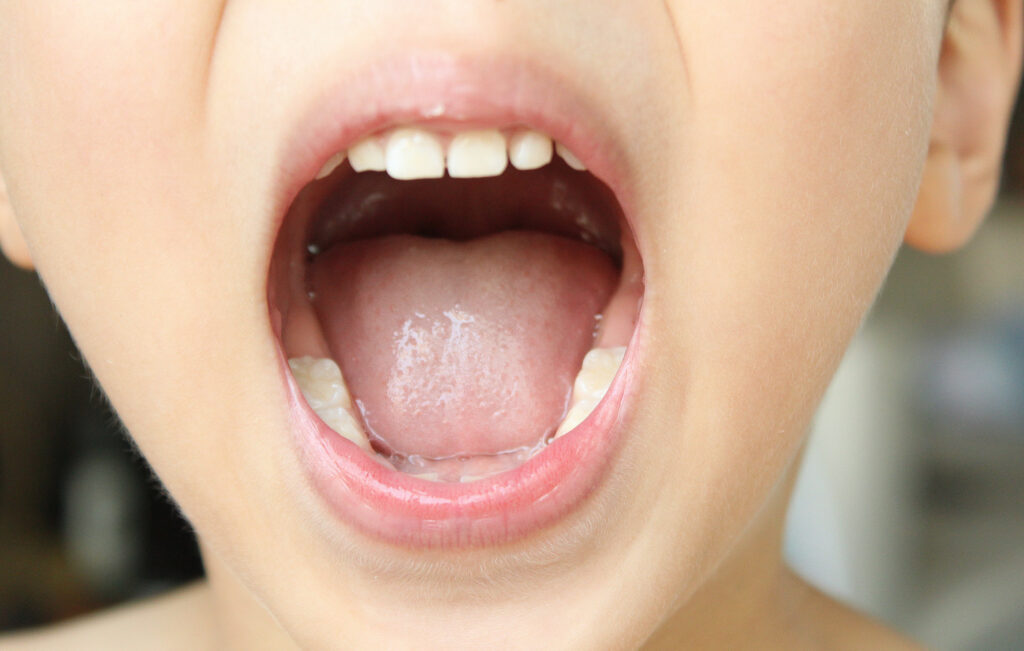
Have you noticed an unpleasant smell when your child talks or smiles? Bad breath in children is fairly common, especially in the morning. While occasional bad breath is usually harmless, a persistent odor may point to an underlying oral health issue.
The good news is that most causes are manageable with proper dental care and healthy habits. Let’s explore why children develop bad breath, how to fix it, and when it’s time to seek professional help.
What Causes Bad Breath in Children?
Bad breath, also called halitosis, can develop for several reasons. Understanding the cause is the first step toward keeping your child’s breath fresh.
Poor Oral Hygiene and Bacteria Buildup
One of the most common causes of bad breath in kids is inadequate brushing and flossing. When food particles remain between teeth or along the gums, oral bacteria break them down and produce unpleasant odors.
Plaque buildup and bacteria on the tongue can also contribute to persistent bad breath.
Dry Mouth and Mouth Breathing
Saliva naturally washes away food particles and helps control bacteria. When children don’t produce enough saliva, odor-causing bacteria can multiply.
Mouth breathing, especially during sleep, can dry out the mouth and cause noticeable morning breath. Dehydration and nasal congestion may make the problem worse.
Tooth Decay and Gum Problems
Cavities, plaque buildup, and inflamed gums can contribute to bad breath in children. Bacteria may collect around damaged teeth or irritated gum tissue, creating unpleasant odors.
If your child also experiences tooth sensitivity, bleeding gums, or dental pain, a pediatric dental examination is important.
Foods, Sinus Issues, and Tonsil Problems
Certain foods, including garlic and onions, can temporarily affect breath. However, not every case of bad breath starts in the mouth.
Postnasal drip, sinus infections, and tonsil stones may also cause unpleasant odors. Persistent symptoms accompanied by nasal congestion or throat discomfort may require a pediatrician’s evaluation.
How to Get Rid of Bad Breath in Children
Fortunately, simple daily habits can make a noticeable difference in your child’s breath and overall oral health.
Encourage proper brushing and flossing. Help your child brush twice daily for two minutes using age-appropriate fluoride toothpaste. Floss once daily wherever neighboring teeth touch.
Clean the tongue gently. Bacteria can accumulate on the tongue’s surface. A soft toothbrush can help remove buildup without irritating delicate tissues.
Keep your child hydrated. Drinking water throughout the day supports saliva production and helps rinse away food particles.
Limit sugary snacks and drinks. Frequent sugar consumption encourages bacteria that contribute to tooth decay. Offer balanced meals and water between meals.
Schedule regular dental checkups. Routine visits allow a pediatric dentist to identify cavities, plaque buildup, and other concerns before they become more serious.
Why Does My Child Still Have Bad Breath After Brushing?
If your child’s breath smells unpleasant even after brushing, there may be more to the problem than dirty teeth.
Food particles trapped between teeth, bacteria on the tongue, untreated cavities, or dry mouth can all contribute to lingering odors. Brushing alone may not remove buildup from hard-to-reach areas.
Check whether your child is brushing thoroughly and flossing regularly. If the odor continues despite consistent oral hygiene, a pediatric dentist can help identify possible dental causes.
When Should You Worry About Your Child’s Bad Breath?
Occasional morning breath is usually nothing to worry about. However, persistent bad breath in children deserves attention, especially when it doesn’t improve with brushing, flossing, and hydration.
Watch for additional symptoms such as bleeding gums, toothaches, swollen gums, fever, or ongoing nasal congestion.
If your child develops facial swelling, significant dental pain, or fever alongside oral symptoms, seek prompt professional care.
Helping Your Child Maintain Fresh Breath and Healthy Teeth
Fresh breath begins with healthy daily habits. Consistent brushing, flossing, proper hydration, and routine dental visits can help prevent many common causes of bad breath.
At Apple Tree Pediatric Dentistry, we understand how important your child’s oral health is. If bad breath persists despite good home care, a pediatric dental evaluation can help determine whether an underlying dental issue needs attention.
Frequently Asked Questions
1. Is bad breath normal in children?
Yes. Occasional bad breath, particularly after waking up, is common because saliva production decreases during sleep. Persistent bad breath, however, may indicate a dental or medical concern.
2. Why does my child’s breath smell bad even after brushing?
Lingering bad breath may result from bacteria on the tongue, food trapped between teeth, dry mouth, cavities, or tonsil problems. A dental examination can help identify oral causes.
3. Can cavities cause bad breath in children?
Yes. Cavities can trap food particles and harbor bacteria that produce unpleasant odors. Treating tooth decay and maintaining proper oral hygiene can help improve breath.