
A chipped front tooth can be alarming for parents, especially when it affects a child’s smile. The good news is that many minor chips can be repaired with dental bonding, a conservative treatment that uses tooth-colored composite resin to rebuild the damaged area.
But one question parents often ask is: Is dental bonding permanent? The short answer is no, not usually. Dental bonding can provide a durable, natural-looking repair, but it may eventually need to be repaired or replaced, particularly in children whose teeth and jaws are still developing.
What Is Dental Bonding for a Chipped Tooth?
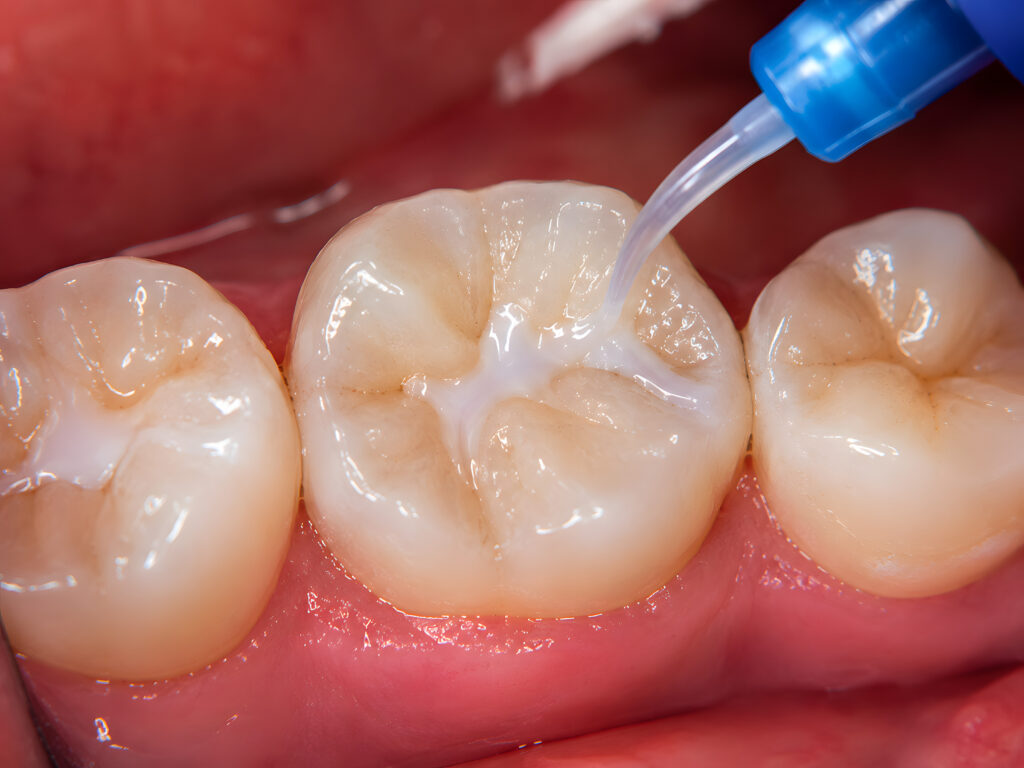
Dental bonding involves applying a tooth-colored composite resin to the damaged portion of a tooth. The dentist carefully shapes the material so it blends with the natural tooth, then hardens it with a curing light.
Because composite resin can be bonded directly to tooth structure, dental bonding can often repair a small chip without removing much healthy tooth material. Resin composites are widely used as direct restorative materials and offer the advantage of a natural tooth-colored appearance.
For a child with a small chip on a front tooth, this can be an appealing option because treatment is generally straightforward and can restore both the appearance and shape of the tooth.
Is Dental Bonding Permanent?
If you’re wondering “is dental bonding permanent?”, it is better to think of bonding as a long-lasting repair rather than a lifetime restoration.
Dental bonding is strong, but composite resin can eventually wear, stain, crack, or chip. The American Dental Association notes that resin composites can be affected by mechanical stresses, including strong chewing and clenching forces.
For children, durability can also depend on everyday habits. Biting on pencils, chewing hard objects, nail biting, sports injuries, or using the front teeth to open packages can put unnecessary stress on the bonded area.
The good news is that if bonding becomes damaged, a pediatric dentist can evaluate the restoration and determine whether it can be repaired or needs to be replaced.
How Durable Is Chipped Tooth Bonding?
The chipped tooth bonding durability depends on several factors, including the size and location of the chip, the child’s bite, oral habits, and how well the tooth is cared for.
A small repair on a front tooth may remain in good condition for years, but there is no guaranteed lifespan that applies to every child. Children who grind their teeth or regularly bite hard objects may experience problems sooner.
Good oral hygiene and routine dental checkups can help protect the restoration. It is also important to follow your pediatric dentist’s recommendations after treatment.
Why Bonding May Be a Good Choice for a Child’s Front Tooth
One of the biggest advantages of bonding is that it can preserve natural tooth structure. It also provides a tooth-colored result, which makes it particularly useful when repairing visible front teeth.
Depending on the child’s age, the condition of the tooth, and the extent of the damage, a pediatric dentist may recommend bonding instead of a more extensive restoration. The appropriate treatment depends on whether the chip is limited to the outer tooth structure or whether there is deeper damage.
While crowns or other restorations may sometimes be necessary, they aren’t automatically the first choice for every chipped tooth.
When Should a Pediatric Dentist Examine a Chipped Tooth?
Even a small-looking chip deserves professional evaluation, particularly if it happened because of a fall, accident, or sports injury.
A dentist can check whether the tooth has additional damage that isn’t visible. Parents should seek prompt dental care if a child experiences significant pain, sensitivity, swelling, bleeding, discoloration, or a larger fracture.
At Apple Tree Pediatric Dentistry, we can evaluate your child’s chipped tooth and explain whether dental bonding or another treatment is the best option.
The goal isn’t simply to make the tooth look whole again. We want to protect your child’s oral health while choosing a restoration that makes sense for their age, tooth development, and individual needs.
FAQs
1. Can dental bonding fix a small chip in my child’s permanent front tooth?
Yes. Dental bonding may be appropriate for many small chips, particularly when the tooth has enough healthy structure to support the restoration. Your pediatric dentist should evaluate the tooth first.
2. Does dental bonding hurt?
Dental bonding for a minor chip is generally a conservative procedure. Your child’s dentist will determine whether any anesthesia is needed based on the extent and location of the repair.
3. What happens if my child’s bonded tooth chips again?
Don’t panic. Contact your pediatric dentist for an evaluation. Depending on the condition of the tooth and bonding, the repair may be polished, repaired, or replaced.