
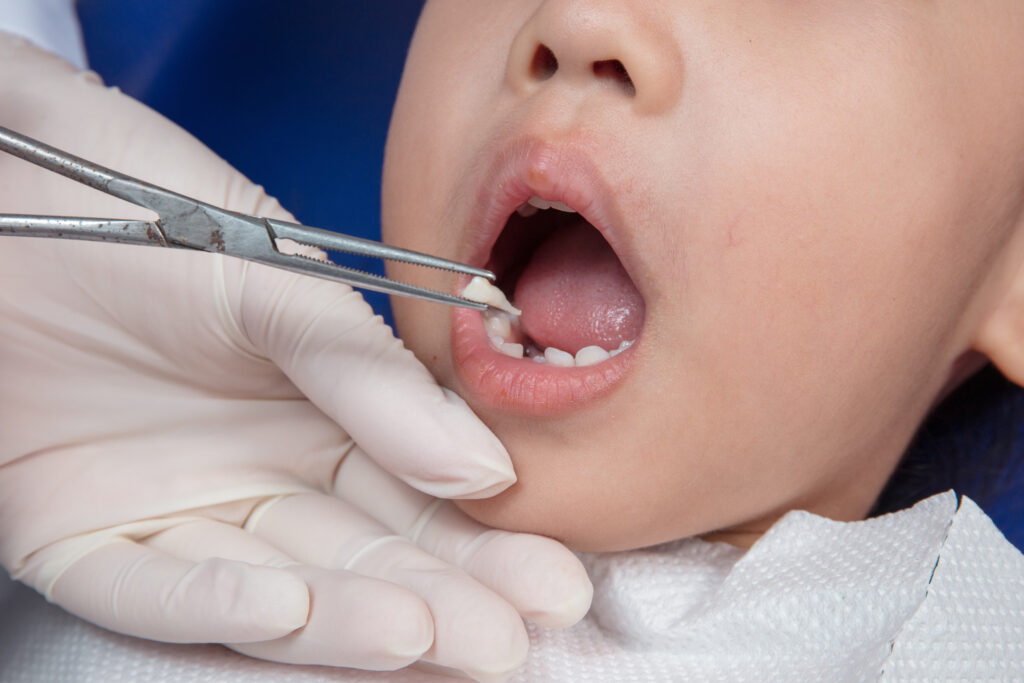
Hearing that your child may need a tooth removed can feel overwhelming. Many parents naturally wonder if a simple filling could solve the problem instead. The good news is that pediatric dentists always aim to preserve natural teeth whenever possible. However, there are situations where removing a tooth is the healthiest option for your child’s smile.
Understanding extraction vs filling kids treatment options can help you feel more confident when discussing your child’s care with the dentist. Here’s what you need to know about when is extraction necessary and why your child’s dentist may recommend one treatment over the other.
When Is a Filling Enough?
A filling is used when a cavity or small area of damage can be repaired while keeping the tooth healthy and functional. During the procedure, the dentist removes the decayed portion of the tooth and fills the space with a durable restorative material.
Children often benefit from fillings when:
- The cavity is detected early.
- The decay hasn’t reached the tooth’s nerve.
- The remaining tooth structure is strong enough to support the filling.
- There are no signs of infection or an abscess.
Regular dental checkups make it easier to catch cavities early, allowing for conservative treatments that preserve the natural tooth.
When Is Extraction Necessary?
Although dentists prefer saving teeth whenever possible, there are times when removal is the safest and most effective solution.
Your child’s pediatric dentist may recommend an extraction if:
Severe Tooth Decay
If decay has destroyed too much of the tooth, there may not be enough healthy structure left to support a filling or crown. In these cases, removing the tooth can prevent ongoing pain and infection.
Dental Infection
When bacteria reach the inner pulp of the tooth, an infection may develop. If the infection cannot be successfully treated or has spread significantly, extraction may be the best way to protect surrounding teeth and gums.
Broken or Damaged Teeth
Accidents happen, especially with active children. If a tooth is cracked below the gumline or fractured beyond repair, extraction may be necessary to prevent complications.
Orthodontic Reasons
Sometimes healthy teeth are removed to create enough space for permanent teeth to erupt properly or to prepare for orthodontic treatment.
Loose Baby Teeth That Won’t Fall Out
Occasionally, a baby tooth remains in place even after the permanent tooth begins erupting. Removing the baby tooth may help guide permanent teeth into their proper position.
How Pediatric Dentists Decide Between a Filling and an Extraction
Every child’s mouth is unique, which is why treatment decisions are based on a complete dental examination rather than the appearance of the tooth alone.
Your pediatric dentist will evaluate factors such as:
- The size and depth of the cavity
- Whether the tooth’s nerve is affected
- X-ray findings
- Signs of infection
- Your child’s age and stage of dental development
- The expected timeline for the baby tooth to naturally fall out
The goal is always to choose the treatment that provides the best long-term outcome while minimizing discomfort and protecting future oral health.
Why Saving the Tooth Is Usually Preferred
Whenever possible, preserving a natural tooth offers several benefits. Baby teeth help children chew comfortably, speak clearly, and maintain the space needed for permanent teeth to erupt correctly.
That’s why fillings and other restorative treatments are typically considered before extraction. However, keeping a severely infected or damaged tooth can sometimes create bigger problems than removing it.
What Happens After a Tooth Extraction?
After the extraction, your dentist will provide detailed aftercare instructions, including recommendations for eating, brushing, and managing mild discomfort. If a baby tooth is removed earlier than expected, a space maintainer may be recommended to preserve room for the permanent tooth.
The Importance of Early Dental Visits
Many situations that lead to extractions begin as small cavities that could have been treated with a simple filling. Routine dental exams allow dentists to detect problems early before they become more serious.
If you’re unsure whether your child needs a filling or a tooth extraction, scheduling an evaluation with an experienced pediatric dentist is the best first step. An early diagnosis often means more treatment options and a healthier smile for years to come.
Frequently Asked Questions
1. Can a baby tooth be saved even if it has a large cavity?
In many cases, yes. Depending on the amount of healthy tooth remaining, treatments such as fillings or pediatric crowns may restore the tooth instead of removing it.
2. Does removing a baby tooth affect permanent teeth?
It can if the tooth is lost too early. Your pediatric dentist may recommend a space maintainer to ensure permanent teeth erupt in the correct position.
3. How can I tell if my child’s cavity has become serious?
Persistent tooth pain, swelling, sensitivity to hot or cold, difficulty chewing, or a visible hole in the tooth are all signs that your child should see a dentist promptly.