
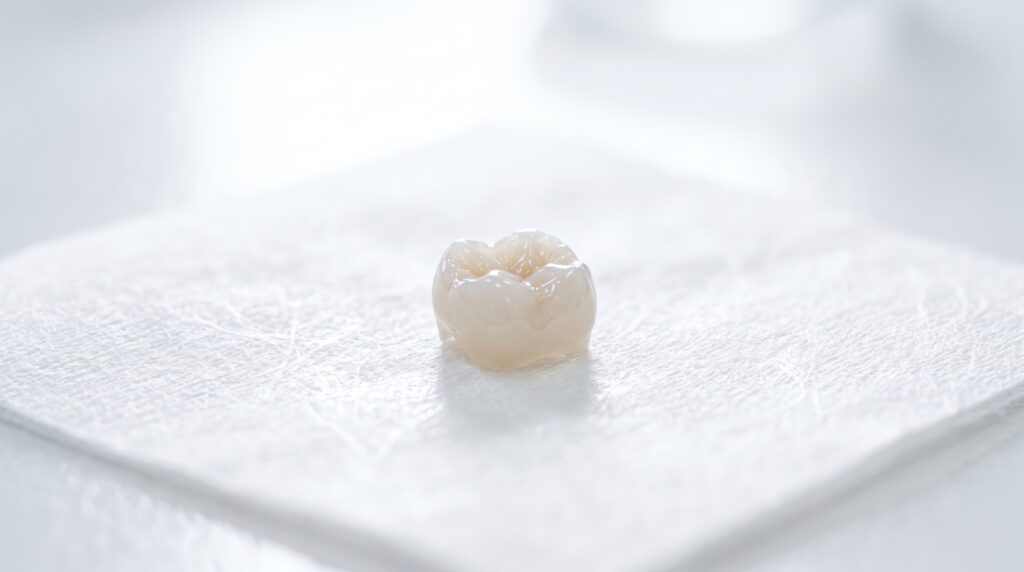
Parents are often surprised when a pediatric dentist recommends a crown for a baby tooth. A common question is, “How long pediatric crown lasts, and will my child need another one before the tooth falls out?”
In most cases, a well-placed pediatric crown is designed to protect a damaged baby tooth for the remainder of that tooth’s useful life. The exact lifespan varies depending on the child’s age, the tooth involved, oral hygiene, diet, and the type and condition of the crown.
How Long Does a Pediatric Crown Last?
A pediatric crown can often remain in place until the baby tooth naturally falls out. Unlike crowns placed on permanent adult teeth, a crown on a primary tooth does not necessarily need to last for decades. Its purpose is to keep the tooth functional and protected until it is naturally replaced by a permanent tooth.
Stainless steel crowns are commonly used for heavily damaged or decayed primary teeth because they provide full coverage and are considered a durable restorative option. The American Academy of Pediatric Dentistry (AAPD) recognizes stainless steel crowns as an important treatment option for extensively decayed primary teeth and other situations where conventional fillings may be more likely to fail.
That means the more useful question is often not “How many years will the crown last?” but “Can the crown protect the tooth successfully until it is ready to fall out?”
How Can You Help a Baby Tooth Crown Last?
Good daily dental care gives a pediatric crown the best chance of remaining functional until the baby tooth naturally exfoliates.
Help your child brush twice a day using fluoride toothpaste appropriate for their age. Clean carefully along the gumline around the crown, and floss between the crowned tooth and neighboring teeth when those teeth touch.
It is also wise to limit frequent sugary foods and drinks. Water is generally a better choice between meals, while regular dental visits allow the pediatric dentist to check the crown, gums, and surrounding teeth.
When Should You Call the Pediatric Dentist?
Contact your child’s pediatric dentist if the crown becomes loose, falls out, appears damaged, or if your child develops pain, swelling, bleeding, or unusual sensitivity around the tooth.
A missing crown does not always mean something went seriously wrong. However, the underlying baby tooth may still need protection, so it is best to have the dentist evaluate the situation rather than simply waiting for the tooth to fall out.
If a crown does come off, keep it if possible and contact the dental office for advice. The dentist can determine whether it can be replaced or whether another treatment is more appropriate.
What Happens When the Baby Tooth Is Ready to Fall Out?
A pediatric crown does not normally prevent the natural process of losing a baby tooth. As the permanent tooth develops underneath, the roots of the primary tooth gradually resorb. Eventually, the baby tooth becomes loose and falls out, making room for the permanent tooth.
Your child’s dentist can monitor this process during routine visits and make sure the crowned tooth and developing permanent tooth are progressing appropriately.
FAQs
1. Can a pediatric crown last until a baby tooth falls out?
Yes. Pediatric crowns are generally intended to protect and restore primary teeth until they naturally exfoliate, although individual outcomes vary.
2. Can a child eat normally with a stainless steel crown?
Most children can eat normally after their dentist has placed the crown. Following the dentist’s recommendations about sticky, hard, or sugary foods can help protect the restoration.
3. Is it normal for a crowned baby tooth to become loose?
Yes. If the baby tooth is approaching its natural time to fall out, it may become loose even though the crown remains attached to it.